

Mastering the art of SEO optimization involves understanding the intricate dance of algorithms and user intent. You've likely realized that it's no easy feat, but fear not, as there are methods and strategies that can help you navigate this digital jungle.
From uncovering the right keywords to creating compelling content and staying ahead of the ever-changing SEO landscape, the path to successful SEO optimization is both challenging and rewarding.
So, how can you unlock the secrets of this essential digital marketing tool and propel your online presence to new heights?
Let's dive into the world of SEO optimization and explore the fundamental techniques that can elevate your website's visibility and impact.
Understanding SEO Basics
If you want to improve your website's visibility and attract more organic traffic, understanding SEO basics is essential.
To boost your website's SEO ranking factors, you should start with a thorough SEO competitor analysis. This analysis involves identifying your top competitors, examining their SEO strategies, and understanding what's working for them.
By doing this, you can gain valuable insights into the keywords they're targeting, the quality and quantity of their backlinks, and their content strategy. This knowledge can help you identify gaps in your own strategy and make necessary improvements.
Additionally, understanding SEO basics will enable you to optimize your website's content, meta descriptions, and title tags, which are all crucial elements for improving your SEO ranking factors.
Conducting Keyword Research
To effectively conduct keyword research, begin by understanding the search intent behind the queries your target audience is using to search for your products or services. This involves identifying the specific needs or problems that your audience is trying to address through their online searches.
Once you have a clear understanding of search intent, you can perform competitive analysis to identify the keywords your competitors are ranking for. This can provide valuable insights into keyword opportunities and gaps in the market.
Additionally, focus on long tail keywords that are more specific and have lower competition, allowing you to target niche audiences effectively.
When conducting keyword research, consider the keyword density within your content to ensure that it's optimized for search engines while remaining natural and valuable for your audience.
Optimizing On-Page Elements

When it comes to optimizing your website for search engines, title tags and meta descriptions play a crucial role.
These on-page elements not only help search engines understand the content of your pages but also influence how your site appears in search results.
Title Tags
Optimize your website's title tags to improve search engine visibility and attract more organic traffic. Follow these title tag best practices and optimization techniques to enhance your SEO efforts:
- Relevance: Ensure your title tags accurately describe the content of the page. Include relevant keywords to signal the page's topic to search engines.
- Length: Keep your title tags between 50-60 characters to ensure they display properly in search results and avoid being truncated.
- Uniqueness: Craft unique title tags for each page on your website to avoid duplicate content issues and help search engines understand the distinct nature of each page.
- Compelling: Write engaging and persuasive title tags that encourage users to click through to your website. Incorporate a call to action or highlight unique selling points to entice searchers.
Meta Descriptions
Craft compelling meta descriptions for your web pages to entice searchers and improve click-through rates from search engine results pages.
Writing compelling meta descriptions is crucial because they serve as a sneak peek into the content of your web page, influencing whether users click through to your site.
To improve click-through, ensure that your meta descriptions are concise, relevant, and unique to each page. Incorporate relevant keywords naturally and provide a clear call-to-action to prompt user engagement. Additionally, consider including unique selling points or a sense of urgency to entice searchers further.
Creating High-Quality Content
When it comes to creating high-quality content for SEO, you need to focus on three key points:
- Content relevance: Your content should be relevant to your audience's needs and interests. This means understanding their pain points and addressing them in your content. By providing valuable and helpful information, you can attract and retain your target audience.
- Engaging visuals: Incorporating engaging visuals is essential to enhance the user experience. Visual elements such as images, infographics, and videos can help break up text, make your content more visually appealing, and keep readers engaged.
- Keyword integration: Integrating relevant keywords strategically throughout your content is crucial for improving its visibility and search engine ranking. Conduct keyword research to identify the terms and phrases that your target audience is using to search for information related to your content. Then, incorporate these keywords naturally into your content, including in headings, subheadings, and the body of your text. This will help search engines understand the topic of your content and rank it higher in relevant search results.
Content Relevance
To ensure your content resonates with your audience and ranks well in search results, it's crucial to focus on creating high-quality, relevant content that addresses their needs and provides valuable information. Here are essential strategies for optimizing content relevance and ranking:
- Understand Your Audience: Research and analyze your target audience to gain insights into their preferences, interests, and pain points.
- Keyword Optimization: Incorporate relevant keywords naturally into your content to enhance its relevance for search engines and users.
- Provide Value: Offer informative, engaging, and unique content that satisfies the search intent and delivers valuable solutions.
- Regular Updates: Keep your content fresh and up-to-date to maintain relevance and demonstrate expertise in your niche.
Engaging Visuals
Understanding the importance of creating high-quality, relevant content for your audience, let's now explore the impact of engaging visuals in enhancing your content's appeal and effectiveness.
Visual storytelling is a powerful tool to captivate your audience and convey complex messages in a compelling manner. By incorporating relevant images, infographics, and videos, you can significantly enhance the overall user experience on your website.
Moreover, implementing image optimization techniques such as using descriptive file names, alt text, and appropriate image sizes can improve your website's loading speed and overall SEO performance.
Engaging visuals not only make your content more appealing but also increase the likelihood of it being shared across various platforms, ultimately boosting your online visibility and driving more organic traffic to your website.
Keyword Integration
Crafting high-quality content involves seamlessly integrating relevant keywords to effectively communicate your message and enhance your website's SEO performance. Here's how to optimize your keyword integration:
- Understand Keyword Density: Aim for a keyword density of 1-2% to ensure your content is optimized without being overly stuffed with keywords.
- Utilize Long Tail Keywords: Incorporate specific, longer phrases that are relevant to your content, as they often have less competition and can drive more targeted traffic.
- Natural Integration: Integrate keywords organically into your content to maintain readability and provide value to your audience.
- Use Variations: Incorporate variations of your main keywords to capture a wider range of search queries and increase your content's relevance.
Utilizing Technical SEO
By implementing technical SEO, you can enhance the performance and visibility of your website in search engine results.
Site architecture plays a crucial role in technical SEO, as it influences how search engine crawlers navigate and index your site. Ensure your site has a clear and organized structure, with easily accessible pages and a logical hierarchy.
Additionally, implementing schema markup can provide search engines with detailed information about your website's content, resulting in enhanced search result listings. By utilizing schema markup, you can improve the way your website is displayed in search engine results, increasing the likelihood of attracting clicks from potential visitors.
Building Quality Backlinks

Enhancing your website's search engine visibility and performance through technical SEO is closely tied to the process of building quality backlinks. Building quality backlinks is essential for improving your website's authority and search engine rankings. Here are some key strategies to help you build quality backlinks:
- Create High-Quality Content: Producing valuable and engaging content naturally attracts backlinks from other websites.
- Guest Blogging: Writing guest posts for reputable websites in your industry can help you earn quality backlinks.
- Broken Link Building: Finding broken links on other websites and offering your content as a replacement is a great way to secure backlinks.
- Utilize Social Media: Sharing your content on social media platforms can increase its visibility and attract backlinks.
When pursuing link building strategies, always prioritize relevance and authority to ensure the backlink quality factors are met.
Enhancing User Experience
When it comes to enhancing user experience, there are a few key points to focus on:
- Page load speed
- Mobile-friendly design
- Clear navigation paths
Ensuring that your website loads quickly and is easy to navigate on all devices will greatly improve the overall user experience.
Additionally, a mobile-friendly design is crucial in today's digital landscape, as more and more users are accessing websites from their smartphones and tablets.
Page Load Speed
Improving your website's page load speed is crucial for providing a seamless and efficient user experience. Slow loading times can lead to high bounce rates and dissatisfied visitors. To enhance your page load speed, consider the following:
- Browser caching: Utilize browser caching to store frequently accessed resources on a visitor's device, reducing the need to download them again on subsequent visits.
- Image optimization: Compress and optimize images to reduce their file size without sacrificing quality, leading to faster load times.
- Minimize HTTP requests: Limit the number of elements on your page, such as scripts, stylesheets, and images, to reduce the number of HTTP requests required to load the page.
- Content delivery network (CDN): Utilize a CDN to distribute your website's content across multiple servers, delivering it to users from the nearest server, thereby reducing load times.
Mobile-Friendly Design
To optimize user experience, ensure that your website is designed to be mobile-friendly, allowing seamless access and navigation on various devices. Responsive design is crucial for providing a consistent and enjoyable experience for your visitors, regardless of the device they're using.
With the increasing use of smartphones and tablets, mobile optimization is no longer just an option but a necessity. A responsive design automatically adjusts the layout and content based on the screen size, ensuring that your website looks and functions well on all devices.
This not only enhances user experience but also positively impacts your SEO efforts, as search engines prioritize mobile-friendly websites. By prioritizing mobile-friendly design, you're demonstrating a commitment to providing the best possible experience for your visitors, which can lead to increased engagement and conversions.
Clear Navigation Paths
Ensure that your website's navigation paths are intuitive and easy to follow, fostering a seamless and efficient user experience for your visitors. To optimize site architecture and enhance user experience, follow these tips:
- Logical Hierarchy: Organize your website's pages in a logical hierarchy, with clear categories and subcategories to help users easily find what they're looking for.
- Clear Labels: Use descriptive and concise labels for navigation links and menu items, avoiding ambiguous or confusing terminology.
- Mobile-Friendly Navigation: Ensure that your navigation is also optimized for mobile devices, with easy-to-access menus that adapt to different screen sizes.
- Internal Linking: Implement strategic internal linking to guide users to relevant content and encourage exploration of your website.
Measuring SEO Performance
Measuring SEO performance allows you to track the effectiveness of your optimization efforts and identify areas for improvement. By analyzing ranking factors and utilizing SEO analytics, you can gain insights into how well your website is performing in search engine results.
Key metrics to consider include organic traffic, keyword rankings, click-through rates, and conversion rates. These metrics provide valuable information about the impact of your SEO strategies on driving relevant traffic and achieving your business goals.
Additionally, monitoring bounce rates and user engagement metrics can help you understand how visitors are interacting with your website. By regularly assessing these performance indicators, you can make informed decisions to refine your SEO approach and stay ahead of the competition.
Implementing Local SEO Strategies
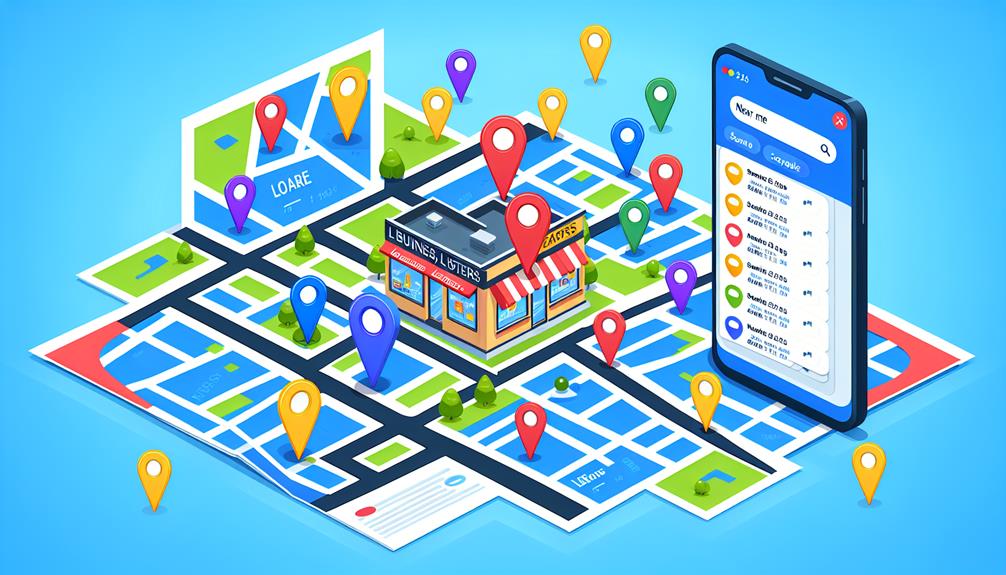
Implementing local SEO strategies is essential for businesses looking to enhance their visibility and attract customers within specific geographic areas. To effectively optimize for local search, consider the following:
- Local listings: Ensure your business is listed accurately on local directories and platforms.
- Google My Business optimization: Claim and optimize your Google My Business profile with accurate information, images, and regular updates.
- Local citation building: Acquire citations from relevant and authoritative local sources to strengthen your online presence.
- Geo-targeted content creation: Develop content tailored to local audiences, incorporating local keywords and addressing local concerns.
Leveraging Social Media for SEO
To further amplify your local SEO efforts and expand your digital footprint, harnessing the power of social media can significantly bolster your online visibility and engagement with potential customers.
Social media engagement plays a crucial role in improving your SEO rankings by increasing brand awareness, driving website traffic, and enhancing your online reputation.
By consistently sharing high-quality content, interacting with your audience, and utilizing relevant hashtags, you can boost your social media presence and signal to search engines that your brand is active and relevant.
Additionally, forming influencer partnerships can further elevate your SEO strategy. Collaborating with influencers can help you reach a wider audience, gain valuable backlinks, and increase your brand's authority and credibility.
Leveraging social media for SEO is a dynamic and effective way to enhance your online presence and connect with your target audience.
Avoiding Common SEO Mistakes

Avoid falling into common SEO mistakes by conducting thorough keyword research and optimizing your website's content accordingly. To ensure your SEO strategy is on point, consider the following:
- Understanding Search Intent:
Take the time to understand the intent behind specific keywords and optimize your content to align with user expectations.
- Avoiding Black Hat Tactics:
Stay away from unethical practices such as keyword stuffing, cloaking, or buying links, as these can result in severe penalties from search engines.
- Regular Content Updates:
Keep your website fresh and relevant by consistently updating and adding new content. This signals to search engines that your site is active and valuable.
- Mobile Optimization:
With the increasing use of mobile devices, ensure that your website is optimized for mobile viewing to enhance user experience and SEO performance.
Staying Updated With SEO Trends
In order to stay ahead in the ever-evolving landscape of SEO, it's vital to remain updated with the latest trends and advancements in search engine optimization.
Voice search and video optimization are two significant trends that are shaping the SEO landscape today. With the increasing popularity of voice-activated devices like Amazon Echo and Google Home, optimizing for voice search has become crucial. Understanding how users phrase voice queries and tailoring content to match these conversational queries is essential.
Video optimization is also a dominant trend, as videos continue to gain prominence in search results. Utilizing video content, optimizing video titles, descriptions, and tags, and ensuring mobile responsiveness are pivotal for SEO success.
Frequently Asked Questions
How Can I Optimize My Website for Voice Search?
To optimize your website for voice search, stay updated on voice search trends and implement voice search optimization techniques. By doing so, you can ensure that your website is well-equipped to cater to the increasing voice search user base.
What Are the Best Practices for Optimizing Image and Video Content for Seo?
When optimizing image and video content for SEO, it's crucial to focus on image compression for faster load times and video transcription for improved accessibility and searchability. These practices can significantly enhance your SEO strategy.
How Do I Optimize My Website for Featured Snippets and Rich Snippets in Search Results?
To optimize your website for featured snippets and rich snippets in search results, focus on creating high-quality, concise content. Use structured data markup to enhance your content and improve the chances of appearing in featured and rich snippets.
What Are the Most Effective Ways to Optimize for Mobile Seo?
Wondering how to optimize for mobile SEO? Start by ensuring your website has a mobile-friendly design and then focus on page speed optimization. These two factors play a crucial role in improving your site's mobile SEO performance.
How Can I Optimize My Website for International SEO and Multilingual Content?
To optimize your website for international SEO and multilingual content, focus on language targeting and international keywords. Research local search trends, use hreflang tags, and create high-quality, culturally relevant content in multiple languages to improve global visibility.
Conclusion
So there you have it – the key to successful SEO optimization is understanding the basics, conducting thorough research, and staying updated with the latest trends.
Just like a gardener tending to their plants, you must nurture your website with high-quality content, strategic keywords, and technical know-how to help it grow and thrive in the digital landscape.
Keep tending to your SEO garden, and you'll see it bloom with increased visibility and traffic.
Happy optimizing!